
Yoga is not just about poses; it is about harmony with nature, breath, and time. One of the most common questions beginners and even regular practitioners ask is about the best time to do yoga. While yoga can be practised at different hours, ancient wisdom and modern science both agree that timing plays a crucial role in maximising its effects. Understanding when to practise helps you receive deeper physical, mental, and emotional benefits without forcing your body.
At Vyasa Kolkata, we often guide students to observe their own energy patterns before fixing a routine. Yoga is deeply personal, and while there are recommended hours, the most effective practice is one that aligns with your lifestyle and consistency.
Why Timing Matters in Yoga Practice
Yoga works on the body’s internal clock, also known as the circadian rhythm. Our digestion, hormones, flexibility, and mental alertness change throughout the day. Practising yoga at the right time supports these natural cycles rather than fighting them.
Early morning yoga energises the nervous system, while evening yoga helps release stress accumulated during the day. Choosing the correct timing can improve flexibility, focus, sleep quality, and emotional balance. This is why traditional yogic texts place strong emphasis on daily routine, or dinacharya.
The Best Time to Do Yoga According to Yogic Tradition
Classical yoga texts recommend Brahma Muhurta, which is roughly 90 minutes before sunrise. During this period, the mind is calm, the air is pure, and the body is naturally receptive. Practising yoga at this time allows deeper concentration and smoother breath flow.
Morning practice also supports discipline. Starting your day with yoga sets a positive tone, improves digestion, and enhances mental clarity. For those seeking spiritual growth or mental stability, early morning is often considered the best time to do yoga.
However, modern lifestyles do not always allow early mornings. Yoga does not punish flexibility in routine. The key is to practise when the stomach is light and the mind is not overstimulated.
Can You Practise Yoga in the Evening?
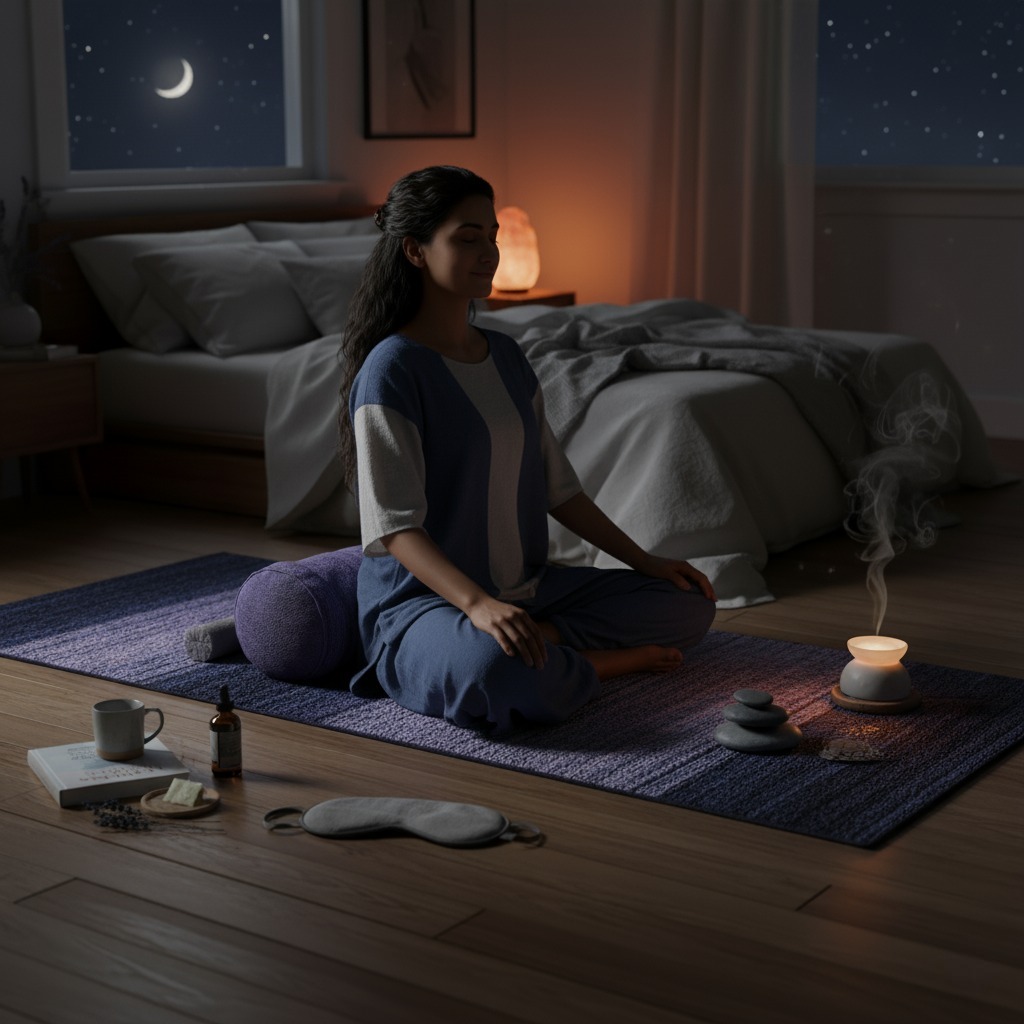
Yes, evening yoga is beneficial, especially for people with demanding schedules. Gentle stretches, slow asanas, and pranayama in the evening help the body unwind. It is ideal for reducing stiffness, calming the nervous system, and improving sleep quality.
If you practise in the evening, ensure there is a gap of at least four hours after a heavy meal. Avoid intense asanas close to bedtime. Evening yoga should focus on relaxation rather than stimulation.

Understanding the Benefits of Yoga at Different Times
The benefits of yoga vary depending on when you practise. Morning sessions improve metabolism, boost immunity, and enhance focus for the day ahead. They also support weight management and hormonal balance.
Afternoon or evening practice, on the other hand, helps in muscle recovery, stress relief, and emotional grounding. Both timings offer valuable outcomes. The important factor is regularity rather than perfection.
Yoga meets you where you are. Whether practised at sunrise or sunset, its impact depends on awareness, breath, and intention.
A Kolkata Perspective: Adapting Yoga to Urban Life
In a city like Kolkata, daily life often starts early and ends late. Long commutes, humid weather, and mental fatigue are common challenges. Many practitioners here find that early morning yoga offers a quiet window before the city awakens.
Others prefer evening sessions to release stress after work. At Vyasa Kolkata, we encourage students to choose a time that supports long-term consistency rather than temporary motivation. Even thirty minutes of mindful practice can create meaningful change.
How to Choose Your Ideal Yoga Time
Instead of forcing yourself into a rigid schedule, observe your body for a week. Notice when you feel most energetic, calm, or distracted. Your ideal yoga time is when you can practise without rushing and without mental clutter.
The best time to do yoga is ultimately the time you can commit to daily. Yoga rewards sincerity more than strict rules. Choose a time that fits naturally into your life.
Common Mistakes Related to Yoga Timing
Many people practise yoga immediately after meals, which can cause discomfort. Others choose timings that clash with their natural sleep cycle. These mistakes reduce effectiveness and increase fatigue.
Allow adequate digestion time and avoid intense sessions late at night. Listening to your body is more important than following trends.
Frequently Asked Questions
1. Is early morning yoga better than evening yoga?
Early morning yoga is traditionally recommended, but evening yoga is equally beneficial if practised correctly. Consistency matters more than timing.
2. How long should I wait after eating before yoga?
You should wait at least four hours after a heavy meal and two hours after a light snack before practising yoga.
3. Can beginners choose any time for yoga?
Yes, beginners can practise at any comfortable time. Start slow, keep the stomach light, and focus on regular practice.
Final Thoughts
The best time to do yoga isn’t about following rigid rules, it’s about understanding balance. Yoga is a lifelong companion that adapts to your body, age, and circumstances. Whether you practise at dawn or dusk, the true power of yoga lies in awareness and dedication.
At Vyasa Kolkata, we believe yoga should support your life, not complicate it. Find your rhythm, respect your body, and allow yoga to unfold naturally. Over time, you will experience the true benefits of yoga, both on and off the mat.
